Select an image or table to view it at full size in a new tab.
According to the GFSI, food safety culture is defined as “shared values, beliefs, norms, and behaviors within an organization or society that influence mindset and behavior with respect to food safety” — food that will not harm the consumer when it is prepared and consumed as intended.
In essence, it reflects the mindset and behavior of people regarding food safety, going beyond formal compliance with procedures and laws — focusing instead on awareness, responsibility, and the everyday practices of all employees involved in the food production chain.
Why is food safety culture important?
- Reduces the risk of foodborne illnesses
- Increases consumer trust
- Improves compliance with laws and standards (e.g., ISO 22000, GFSI standards)
- Contributes to the long-term success of the company
We discussed the basic concepts related to food safety culture, as well as the requirements of GFSI-recognized standards, in our article from 19.08.2020:
We also covered the new trends related to food safety and quality culture in our article from 08.06.2023:
CODEX ALIMENTARIUS
In September 2020, the Codex Alimentarius Commission (CAC) adopted a new version of the “General Principles of Food Hygiene.” The revised CXC 1-1969 introduced the concept of “food safety culture” as a general principle. Codex sets out expectations for company management to demonstrate their commitment to establishing and maintaining a positive food safety culture through:
- Commitment of all employees to food safety
- Involvement of all staff in positive practices
- Raising awareness of the importance of food hygiene
- Open communication with employees
- Providing necessary resources, etc.
COMMISSION REGULATION (EU) 2021/382
In 2021, the European Commission adopted Regulation (EU) 2021/382, amending Annexes of Regulation (EC) No. 852/2004 of the European Parliament and the Council on the hygiene of foodstuffs, regarding food allergen management, food redistribution, and food safety culture. It mandates that food business operators establish and maintain a food safety culture, including elements such as management commitment and open communication among employees to ensure compliance with food safety practices.
Additionally, the regulation introduced requirements for good hygiene practices to prevent allergen contamination and implement rules for safe food redistribution.
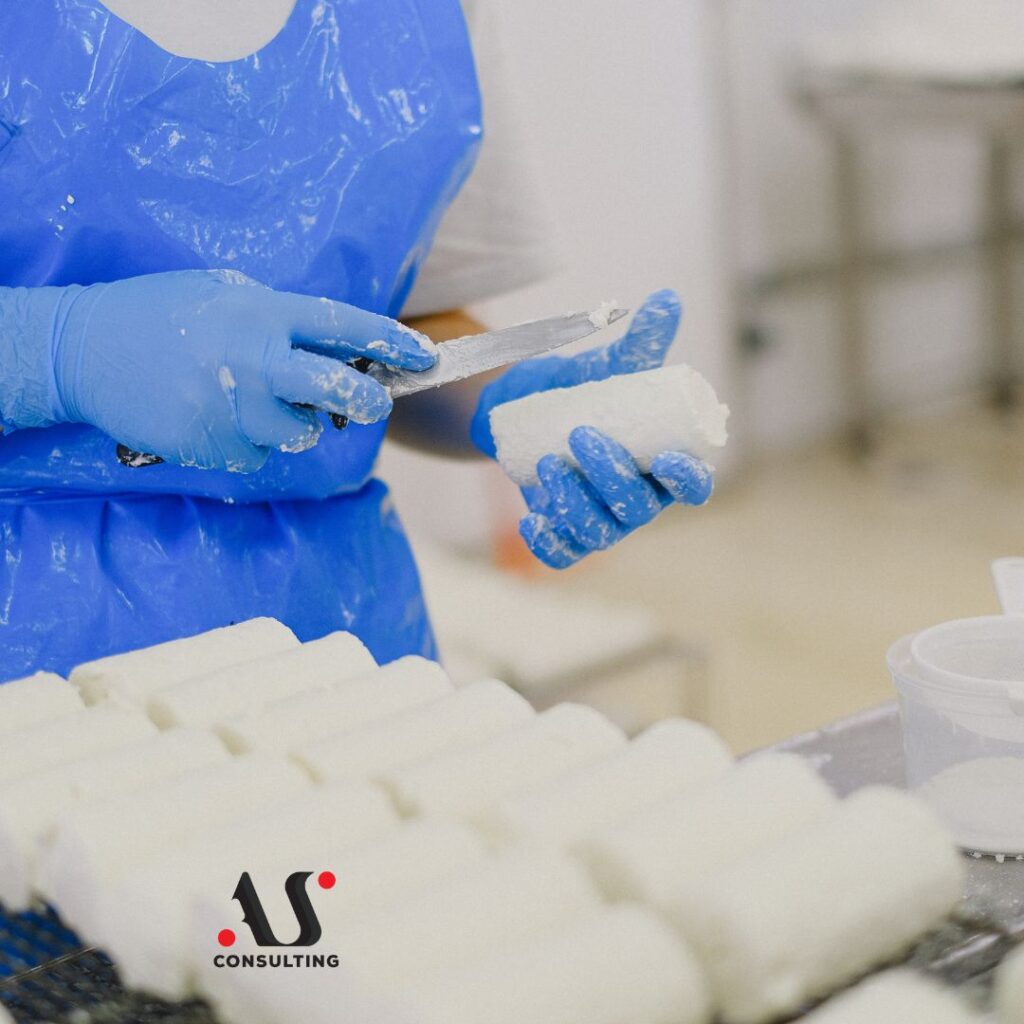
Food Safety Culture – This central theme requires food companies to foster a culture of safety through:
- Management commitment: Ensuring clear roles and responsibilities and maintaining food safety systems
- Employee involvement: Encouraging all staff to actively engage in food safety practices
- Open communication: Establishing clear communication channels for reporting issues and sharing information
- Continuous improvement: Taking steps to continually improve food safety management systems
How to improve food safety culture in a company?
- Start at the top – The owner or manager must lead by example (e.g., always wearing protective equipment).
- Engage all employees – Ask for their opinions, suggestions, and praise those who follow good practices.
- Provide regular training – Short trainings on hand washing, proper storage, the HACCP system, etc.
- Clear and frequent communication – Post notices, instructions, and reminders on walls.
- Encourage issue reporting – Let employees know they won’t be punished for reporting a mistake.
- Set measurable goals – For example, “Zero food incidents per month” or “100% staff trained.”
- Highlight good examples – Recognize when someone acts responsibly; it motivates others.

We learn best through examples: good vs. bad practices
Imagine a small bakery with 10 employees.
1. Poor practice (no developed food safety culture):
- A worker sees bread fall on a dirty floor but places it back on the shelf — because “they don’t want to waste good bread.”
- A new hire has not received hygiene training because the trainer “doesn’t have time.”
- The manager never checks if rules are being followed — they only care that the work gets done quickly.
Consequences: higher risk of product contamination, poor quality, potential customer complaints, and damage to the company’s image.
2. Good practice (well-developed food safety culture):
- All employees receive training (even temporary ones).
- A worker who notices a problem (e.g., contamination, faulty thermometer) feels free to report it immediately.
- The manager regularly discusses hygiene and good practices with staff.
- Records on temperature, cleanliness, and raw material control are kept — not because “they have to,” but because everyone understands the importance of procedures.
Result: safe food, lower risks, greater customer trust, and a healthier work environment.
Need help assessing your current food safety culture and developing a Food Safety Culture Plan? Contact our agency!!!